

Brew is more than just a early pick-me-up; it's a rich tapestry of culture, legacy, and innovation. From the fertile lands where coffee beans are grown to the talented baristas who prepare the ideal brew, understanding the journey of coffee is essential for all aficionado. This journey not only honors the taste and scent of coffee but also reveals the intricate processes involved in bringing your favorite beverage to life.
In this piece, we will delve into the captivating world of coffee provenance. We’ll explore everything from coffee farming and sourcing practices to the cutting-edge trends and innovations in the coffee industry. Whether you're a coffee lover seeking the best coffee blogs or a occasional sipper wanting to learn about coffee cooking techniques and brewing techniques, there's a little something for everyone. Join us as we reveal the layers of coffee heritage, from the seed to the cup, and discover what makes each taste so extraordinary.
A Journey of Coffee Origins
The journey of java starts on the verdant slopes of regions renowned for their outstanding growing environments. Coffee crops thrive in areas with rich earth, stable climates, and sufficient precipitation. The horn of Africa is widely considered the origin of coffee, as folklore has it that a goat herder named a mythical figure discovered the stimulating properties of the coffee cherries. In present times, coffee farms continue to flourish in countries across Africa, Central and South American countries, and Asia, each contributing unique taste characteristics shaped by their surrounding ecosystems.
As coffee moves from plantation to mug, the processes of harvesting and processing play a critical part in shaping its ultimate character. Once the coffee cherries are picked, they undergo methods such as cleaning or organic dehydration to improve flavor and standard. This phase of making coffee is not just about operations; it's an essential dialogue between nature and the farmer's craftsmanship, which is often shared in coffee farming news and gourmet coffee blogs. Grasping these steps helps coffee lovers appreciate the intricate pathway their favorite drink has taken.
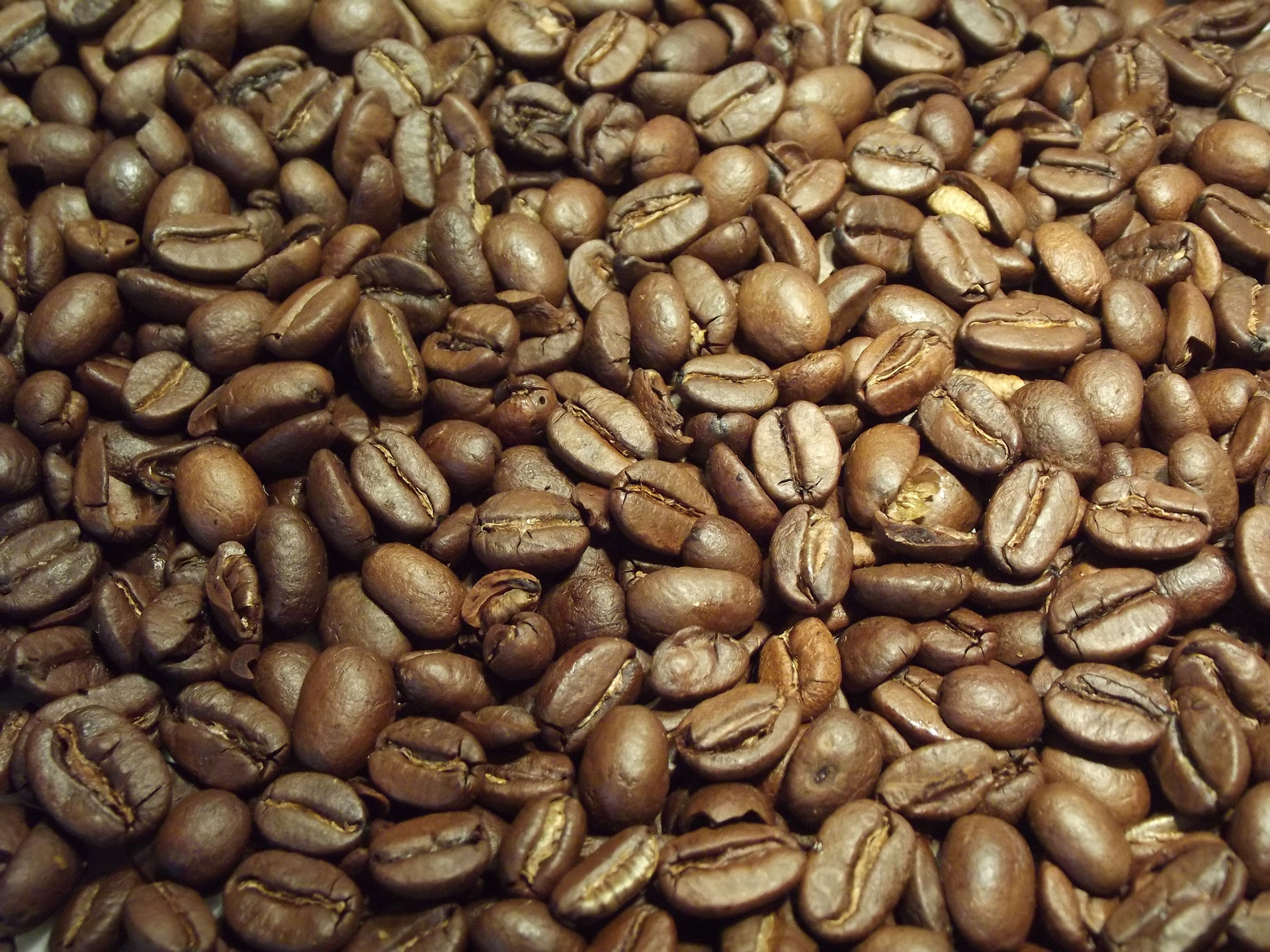
After processed, the beans are meticulously roasted, a crucial stage that reveals their full potential. Roasting alters the raw beans, allowing for the creation of complex flavors and aromas that are key to the enjoyment of coffee. Various methods can cater to specific tastes, making the field of roasting a fascinating topic often explored in coffee roasting blogs and review sites. The craft of roasting not only highlights the beans' roots but also reflects the diverse preferences of coffee drinkers globally, connecting them through a shared passion for this extraordinary beverage.
Brewing Techniques and Techniques
The art of coffee brewing is as multifaceted as the beans themselves, with numerous methods to explore. From the traditional drip coffee makers to the complicated pour-over techniques, each brewing method brings out unique flavors and notes from the coffee. For those looking to explore the subtleties of their brew, experimenting with different grind sizes and water temperatures can significantly impact the extraction result. Understanding how these variables affect one another can elevate any coffee experience, making it worthwhile to investigate various brewing techniques.
For fans eager to develop their skills, control of the French press is a satisfying starting point. This method allows for total immersion, which results in strong and rich flavors. To achieve the best results, it is suggested to roughly grind the coffee and let it steep for about 4 minutes before pressing down the plunger. Additionally, paying website to the coffee-to-water ratio can make a substantial difference; a basic guideline is to use 1-2 tablespoons of coffee per 6 ounces of water. Such tips not only boost the brewing process but also contribute to a deeper appreciation of the coffee itself.
Staying abreast with the latest coffee news can open avenues for exploring innovative brewing techniques and styles. Engaging with coffee blogs and forums promotes community discussions where fans share their experiences and tips, from solving common brewing issues to discovering new tools. For those passionate about both quality and sustainability, embracing the significance of sourcing and using ethically produced coffee can elevate the brewing experience. Ultimately, exploring these techniques and insights can change routine coffee-making into an pleasurable ritual.
Sustainability in the Coffee Industry
Eco-friendliness has become a vital focus in the coffee industry as consumers more and more demand responsibly sourced products. The impact of coffee farming on the environment, from forest clearing to water usage, has led to a rise in efforts aimed at promoting sustainable practices. Coffee producers are now exploring methods such as shade-grown coffee, which enhances biodiversity, and chemical-free farming techniques that reduce chemical usage. These changes not only safeguard the environment but also elevate the quality of the coffee, matching with the trends seen in specialty coffee blogs and coffee reviews.
Moreover, many coffee brands are committed to fair trade practices that make certain farmers receive a fair wage. This aspect of sustainability goes beyond environmental concerns and addresses social equity within the coffee supply chain. By supporting farmers through close trade partnerships and community development projects, the coffee industry fosters a more sustainable future. Recent coffee news showcases numerous brands incorporating these practices, demonstrating a growing movement towards transparency and responsibility in coffee sourcing.
As consumers become more engaged with coffee culture, they are increasingly interested in the sources of their favorite brews. This has spurred a surge in coffee education, with blogs and articles focusing on the advantages of coffee, coffee recipes, and brewing techniques that embody sustainable practices. The awareness of sustainability in coffee is crucial, as it not only influences purchasing decisions but also nurtures a broader understanding of coffee origins, ultimately leading to a more conscientious coffee community.